How Drones Work for Military Operations and Why They Are the Future of War?
Drones, or unmanned aerial vehicles (UAVs), have revolutionized modern warfare. Their ability to operate without onboard human pilots has transformed how militaries conduct surveillance, reconnaissance, and combat operations.
How Do Drones Work in Military Operations?
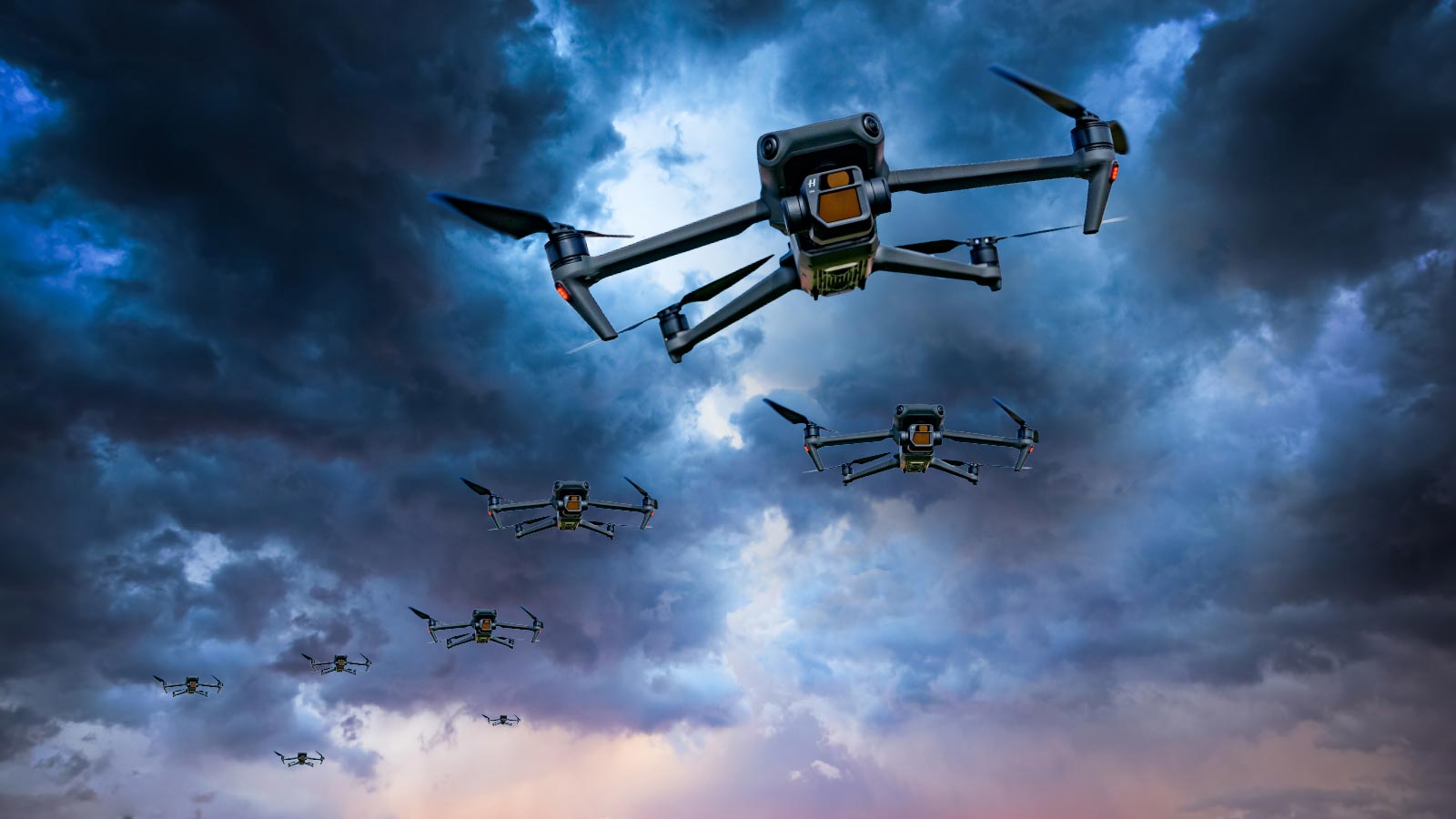
Drones are sophisticated machines equipped with advanced technologies that allow them to perform a wide range of tasks. Here’s a breakdown of how they function:
1. Flight Mechanics
Military drones, often quadcopters or fixed-wing designs, rely on propellers powered by motors to generate lift. The flight controller acts as the drone's "brain," processing input from remote operators, GPS systems, and onboard sensors to control its movement. By adjusting the speed of individual motors, drones can ascend, descend, hover, or move in any direction.
2. Navigation and Control
Drones are controlled remotely through ground stations or handheld devices. Operators use joysticks or software interfaces to guide the drone's movements. Many military drones are equipped with GPS systems for precise navigation and can follow pre-programmed flight paths autonomously.
3. Sensors and Cameras
Military drones are equipped with high-resolution cameras, thermal imaging sensors, and radar systems. These tools enable them to capture real-time data from the battlefield, monitor enemy movements, and identify targets with exceptional accuracy.
4. Communication Systems
Drones transmit data back to command centers using secure communication links. This allows military personnel to receive real-time intelligence and make informed decisions during operations.
5. Weapon Systems
Combat drones can carry precision-guided munitions such as missiles or bombs. These weapons are deployed using advanced targeting systems that ensure accuracy while minimizing collateral damage.
Applications of Drones in Modern Warfare
The versatility of drones makes them indispensable in military operations. Here are some key applications:
1. Surveillance and Reconnaissance
Drones provide real-time aerial intelligence by monitoring enemy movements and gathering critical data about terrain and infrastructure. This capability enhances situational awareness for commanders.
2. Precision Strikes
Armed drones can execute targeted strikes on high-value targets with surgical precision. This reduces the risk of civilian casualties and limits the need for ground troops in dangerous areas.
3. Logistics Support
Drones can deliver supplies such as ammunition, medical kits, and food to troops in remote or hostile environments, ensuring uninterrupted operations.
4. Electronic Warfare
Some advanced drones are equipped with electronic warfare capabilities to disrupt enemy communication networks or radar systems.
5. Training Exercises
In military training scenarios, drones simulate enemy threats or provide aerial perspectives for strategy development.
Why Are Drones Considered the Future of War?
As technology advances, drones are becoming more capable and cost-effective, positioning them as a cornerstone of future military strategies. Here’s why they are seen as the future of warfare:
1. Reduced Risk to Human Lives
One of the most significant advantages of drones is their ability to perform dangerous missions without putting human lives at risk. Soldiers can remain safely behind the front lines while drones handle reconnaissance or combat tasks.
2. Cost-Effectiveness
Compared to traditional manned aircraft, drones are significantly cheaper to produce, operate, and maintain. They also eliminate the need for extensive pilot training programs.
3. Enhanced Precision
With advanced targeting systems and AI-driven analytics, drones can execute highly accurate strikes while minimizing collateral damage—a critical factor in modern conflict zones.
4. Stealth Capabilities
Modern military drones are designed with stealth features that make them difficult to detect by enemy radar systems. This allows them to penetrate deep into hostile territory without being intercepted.
5. Versatility Across Missions
From intelligence gathering to combat support and logistics delivery, drones can perform a wide range of functions that would otherwise require multiple specialized units.
6. Real-Time Decision Making
AI integration enables drones to process data in real time, providing commanders with actionable insights that enhance battlefield decision-making.
7. Global Accessibility
The relatively low cost and ease of deployment make drone technology accessible even to smaller nations or non-state actors, potentially leveling the playing field in asymmetric warfare scenarios.
Challenges Ahead
While drones offer numerous advantages, they also face challenges:
Vulnerability to Countermeasures: Advanced air defense systems and electronic warfare technologies can disrupt drone operations.
Ethical Concerns: The use of autonomous weapons raises questions about accountability and civilian safety.
Proliferation Risks: The widespread availability of drone technology could lead to its misuse by rogue states or terrorist groups.
Drones have already reshaped modern warfare by providing unparalleled capabilities in surveillance, precision strikes, and logistics support. As technology continues to evolve—driven by advancements in AI, materials science, and miniaturization—drones will play an even more prominent role on the battlefield.
Their ability to reduce risks for soldiers while enhancing operational efficiency makes them an essential tool for future conflicts. However, as their use becomes more widespread, it will be crucial for policymakers to address ethical concerns and develop strategies to counter potential threats posed by adversaries equipped with similar technologies.
About the author
- LLMs • AI Agents • RAG • LangChain • LangGraph • Fine-Tuning • Reinforcement Learning • Python • APIs
Comments
Join the discussiongreat