What is Crypto Mining? How it works?
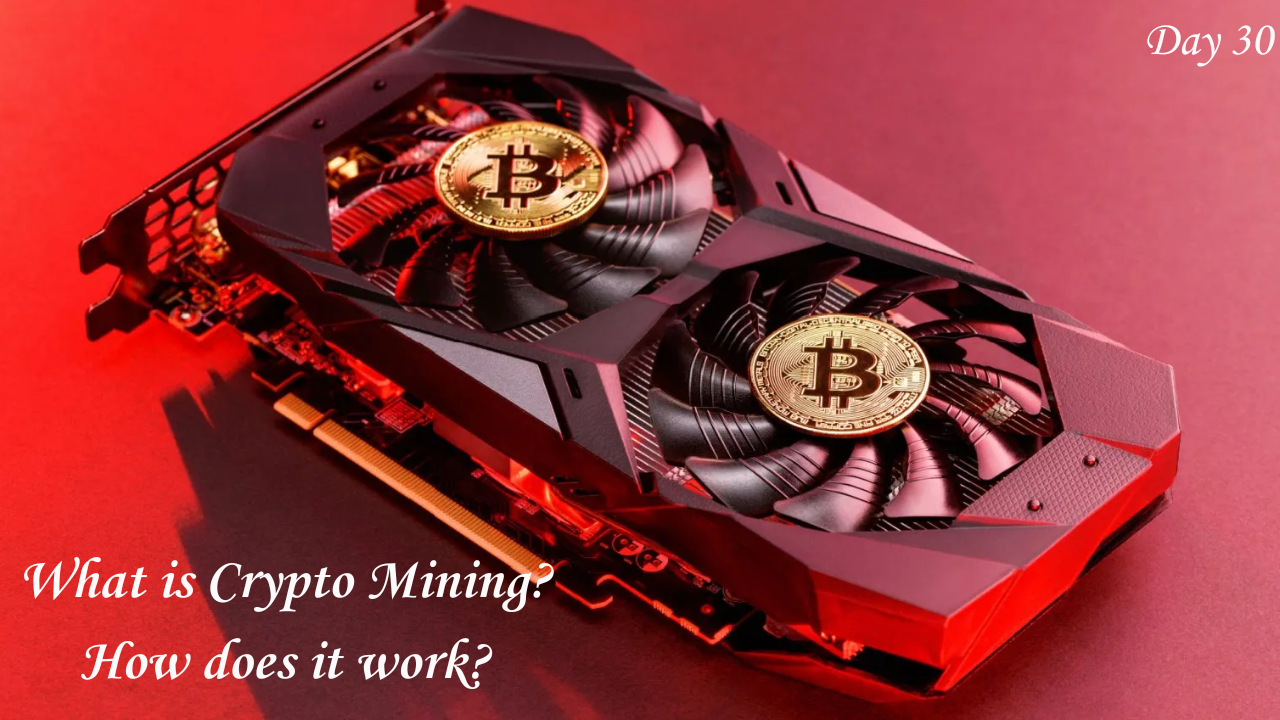
Nowadays, Crypto has become so famous these days and with it Crypto mining.
But what exactly Crypto Mining is? And how it works?
What is Crypto Mining?

Crypto mining, short for cryptocurrency mining, is the process by which new digital coins are created and transactions are verified on a blockchain network. It’s the backbone of many cryptocurrencies, ensuring that transactions are secure and decentralized without needing a central authority like a bank.
Mining is essentially a competitive process where participants, called miners, use powerful computers to solve complex mathematical problems.
Solving these problems helps validate transactions made with the cryptocurrency, and miners are rewarded with new coins for their efforts. This reward system is a key part of maintaining and expanding the cryptocurrency ecosystem
How Does Crypto Mining Work?

Some of the steps which are involved in Crypto Mining:-
-Transaction Verification: When a person makes a transaction with a cryptocurrency like Bitcoin, that transaction needs to be verified. Instead of relying on a bank or financial institution to verify the transaction, the cryptocurrency network relies on miners. These miners group transactions into blocks, which will later be added to the blockchain, a public ledger of all transactions.
-Solving the Puzzle: Once the transaction is grouped into a block, miners compete to solve a cryptographic puzzle. This puzzle is essentially a complex math problem, and solving it requires high computational power. The first miner to solve the puzzle gets to add the block of transactions to the blockchain.
-Block Addition: After the puzzle is solved, the block is added to the blockchain, making it a permanent part of the transaction history. This process keeps the network secure and decentralized.
-Reward: As an incentive for their efforts, miners receive a reward in the form of cryptocurrency.
For example, Bitcoin miners currently receive a reward of newly minted Bitcoins for each block they successfully add to the blockchain. Over time, these rewards decrease, but miners can also earn fees from the transactions they validate.
Why is Crypto Mining Important?

Crypto mining plays a crucial role in the security, stability, and decentralization of cryptocurrencies.
Here’s why it matters:
-Security: Mining ensures that transactions prevents double-spending (the risk of spending the same cryptocurrency more than once). By solving cryptographic puzzles, miners create a barrier against tampering with transaction history.
-Decentralization: Cryptocurrencies are decentralized, means they don’t depend on a single authority to oversee transactions. Mining distributes the responsibility among miners worldwide. This decentralization is one of the core principles of cryptocurrencies like Bitcoin.
-Supply Control: In many cryptocurrencies, including Bitcoin, there’s a fixed total supply. Mining gradually releases new coins into circulation, controlling the rate at which new coins are created. This supply control helps manage inflation and keeps the currency's value in check.
Challenges of Crypto Mining

-Energy Consumption: Mining, particularly Proof of Work, requires a huge amount of energy. Bitcoin mining, for instance, consumes as much electricity as entire countries. This has raised concerns about the environmental impact of crypto mining.
-Cost: Mining requires specialized hardware (such as ASICs for Bitcoin) and significant electricity, which can be expensive. Without the right resources, mining can quickly become unprofitable.
-Difficulty: As more people join the mining network, the difficulty of solving the cryptographic puzzles increases, making it harder to earn rewards without significant computational power.
About the author
- LLMs • AI Agents • RAG • LangChain • LangGraph • Fine-Tuning • Reinforcement Learning • Python • APIs
Comments
Join the discussionInsightful, how do you choose topics?